
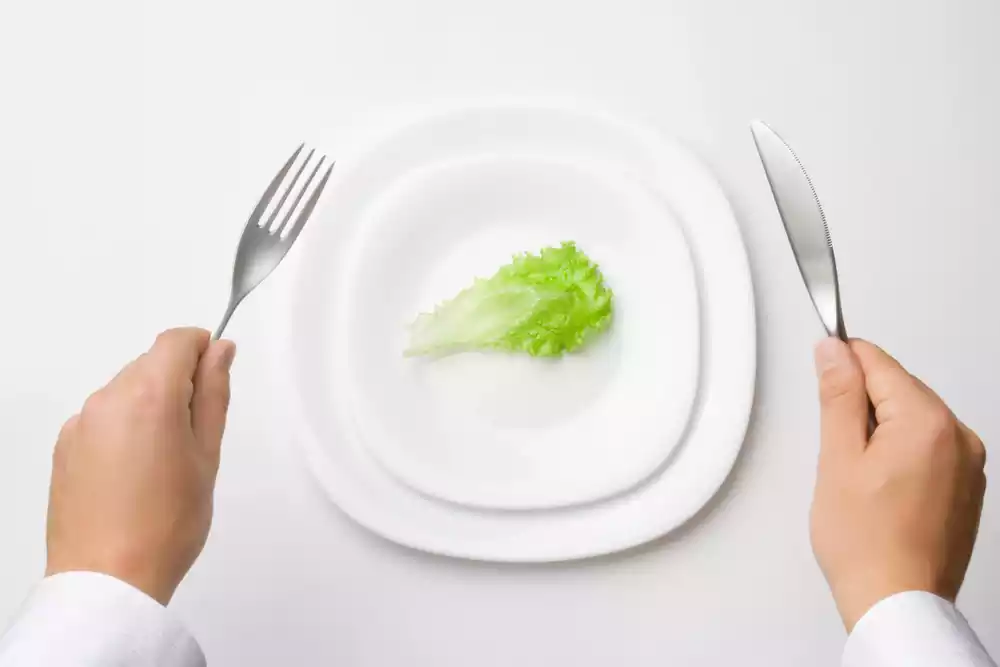
In the quest for a healthier lifestyle, many people turn to dieting to achieve their weight loss goals. However, the culture of dieting is often riddled with misconceptions that can lead to frustration and stunted progress. These dieting myths, pervasive and misleading, can derail efforts to lose weight healthily. Let’s see some of the worst dieting myths to set the record straight and help you on your path to achieving sustainable weight loss.
Myth 1: Skipping meals helps you lose weight
A common belief is that skipping meals will lead to faster weight loss. This myth is based on the assumption that consuming fewer meals equates to consuming fewer calories. However, skipping meals can backfire:
Metabolism slowdown
Your body may enter “starvation mode,” slowing down metabolism to conserve energy, which can actually impede weight loss efforts.
Increased hunger
Skipping meals often leads to increased hunger and overeating later, resulting in a higher overall caloric intake.
Nutrient deficiency
Regularly missing meals can lead to insufficient nutrient intake, compromising overall health.
To maintain a healthy weight, focus on balanced meals at regular intervals to keep metabolism steady and hunger at bay.

Myth 2: Carbohydrates make you gain weight
Another pervasive dieting myth is the belief that carbohydrates are inherently fattening. In reality, the body needs carbohydrates for energy, and not all carbs are created equal:
Complex carbohydrates
Found in whole grains, legumes, and vegetables, these provide sustained energy and are rich in fiber, which can aid in weight management.
Refined carbohydrates
Processed sugars and white flour products can contribute to weight gain if consumed in excess. Rather than eliminating carbs entirely, aim to include more complex carbohydrates in your diet.
Caloric balance is the key to weight management, not the complete removal of any macronutrient.
Myth 3: You can lose fat from specific areas
Among the many dieting myths is the concept of spot reduction, or the belief that you can target fat loss in specific body parts by exercising those areas. However, scientific evidence tells a different story:
Overall fat loss
Spot reduction is a myth; you cannot control where your body loses fat. Fat loss occurs across the body as you maintain a caloric deficit.
Building muscle
While you can’t target fat loss, you can focus on building muscle in specific areas, which can enhance muscle tone and definition, contributing to a more sculpted appearance.
Incorporate a mix of cardio, strength training, and a healthy diet for effective overall fat loss.

Myth 4: Detoxes and pills are effective for weight loss
Detox diets and weight loss pills are often marketed as quick fixes, promising rapid results with minimal effort. However, these methods are not only ineffective but can also pose risks:
Lack of scientific basis
Detoxes often claim to rid the body of “toxins” without scientific evidence backing their efficacy.
Short-term results
Any weight loss from detox diets is typically due to water loss, not fat loss. Once normal eating resumes, the weight often returns.
Health risks
Some weight loss pills and extreme detox diets can lead to dehydration, electrolyte imbalance, and other health issues.
Opt for long-term dietary changes over temporary solutions for sustainable health.
Myth 5: Following someone else’s diet is effective
A common misconception among dieting myths is adopting a diet plan simply because it worked for someone else. Every person’s nutritional needs and responses are different:
Personalized nutrition
Factors like age, gender, activity level, and health goals mean each person requires a unique dietary approach.
Mindful eating
Instead of mimicking someone else’s eating plan, focus on developing awareness of your body’s hunger cues and nutritional needs.
Consulting with a nutritionist or dietitian can provide insights into a plan tailored to your health requirements.
Addressing dieting myths
So, how do we combat these dieting myths and promote a healthier approach to weight loss?
- Educate yourself: Knowledge is power. Understand the basics of nutrition and the science behind weight loss to make informed decisions.
- Set realistic goals: Unrealistic expectations can lead to disappointment. Set achievable goals and celebrate progress rather than perfection.
- Balance and moderation: Embrace a balanced diet that includes a variety of foods in appropriate portions, focusing on overall health rather than restriction.
- Seek professional guidance: Consulting with healthcare providers, nutritionists, or trainers can provide valuable support and expert advice tailored to individual needs.
- Mindset shift: Focus on long-term health benefits rather than quick fixes for lasting changes in health and lifestyle.

Considering other options in Tijuana
If you find that traditional dieting methods haven’t worked for you, and you’re interested in exploring other medically supervised weight loss options, consider visiting our clinic for bariatrics in Tijuana. Under the guidance of Dr. Green, we offer comprehensive bariatric services, including surgical options for those struggling with persistent weight challenges often tied to dieting myths. Our team focuses on providing safe, individualized care to help you achieve your health goals. Explore how our approach can provide the tools and support needed for a healthier lifestyle.