
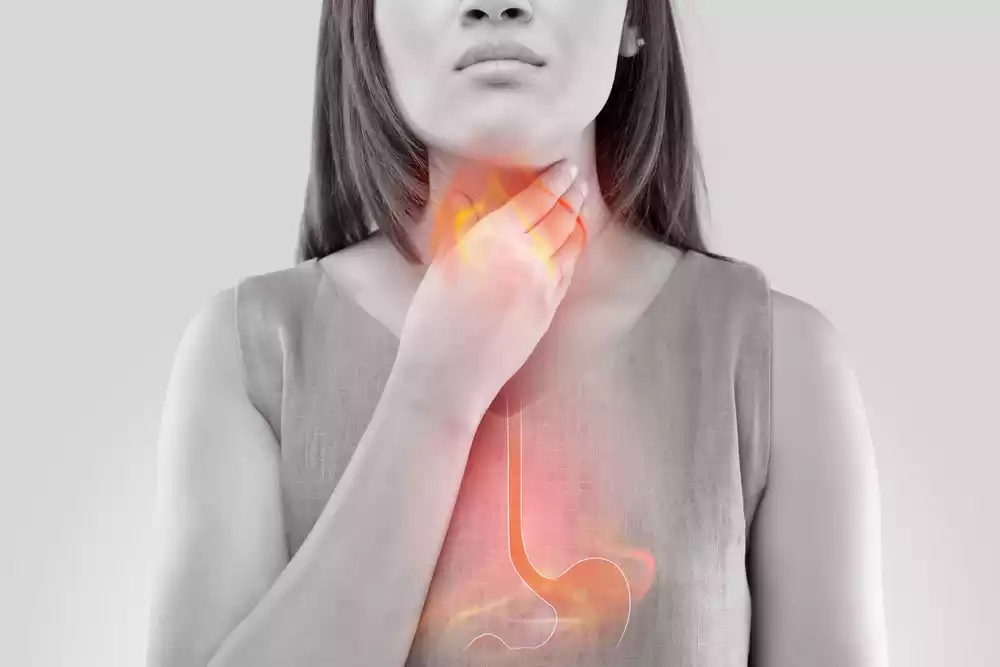
Acid reflux, commonly known as gastroesophageal reflux disease (GERD), is a condition where stomach acid flows back into the esophagus, causing discomfort and potential damage. While it’s a prevalent issue in the general population, it can also affect those who have undergone bariatric surgery. Understanding the acid reflux consequences following bariatric procedures, recognizing the symptoms to be mindful of, and acknowledging the importance of consulting a healthcare provider are critical for managing this condition effectively.
What is acid reflux?
Acid reflux occurs when the lower esophageal sphincter (LES), a muscular ring at the bottom of the esophagus, fails to close properly or relaxes at the wrong times. This allows stomach acid to seep back up into the esophagus, leading to irritation.
Common causes of acid reflux
Some factors that contribute to the weakening of the LES include obesity, smoking, certain medications, and dietary habits that involve high-fat or spicy foods. Stress and eating large meals before bedtime can also exacerbate the symptoms.
Symptoms of acid reflux
The symptoms of acid reflux can vary in intensity and frequency. Common symptoms include:
- Heartburn: A burning sensation behind the breastbone.
- Regurgitation: A sour or bitter-tasting acid backing up into the throat or mouth.
- Difficulty swallowing: A sensation of food being stuck in the throat.
- Chronic cough: Persistent coughing not related to respiratory infections.
- Laryngitis: Throat irritation causing voice changes.
Acid reflux consequences after bariatric surgery
The likelihood and severity of acid reflux consequences post-bariatric surgery depend significantly on the specific procedure performed. Understanding these variations can prepare patients for potential outcomes and guide consultations with healthcare providers.
Acid reflux after sleeve gastrectomy
Sleeve gastrectomy, a popular bariatric procedure, involves removing approximately 75-80% of the stomach, creating a tube-like shape. While effective for weight loss, this surgery can sometimes increase the risk of acid reflux because it decreases the stomach’s capacity without affecting the LES.
- Reason for increase: The reduced stomach size increases pressure within the stomach, which can force acid into the esophagus more easily.
- Symptoms to observe: Worsening heartburn, regurgitation, and an increase in cough or throat irritation post-surgery could indicate significant acid reflux consequences.

Acid reflux after gastric bypass
The gastric bypass procedure involves creating a small pouch from the stomach and connecting it directly to the small intestine. This allows food to bypass most of the stomach and duodenum.
- Impact on acid reflux: Gastric bypass is often known to reduce acid reflux symptoms, as the amount of acid produced in the smaller stomach pouch is significantly less.
- Possible symptoms: Persistent discomfort or newly developed acid reflux symptoms post-surgery should still be evaluated to rule out complications.
Long-term consequences of postoperative acid reflux
It’s crucial to be vigilant about the acid reflux consequences as ignoring them can lead to more severe health issues in the long run. Some potential complications include:
- Esophagitis: Inflammation of the esophagus that can lead to ulcers, bleeding, and scarring.
- Strictures: Narrowing of the esophagus due to scar tissue formation from repeated exposure to stomach acid.
- Barrett’s esophagus: A condition where the esophageal lining changes, potentially increasing the risk of esophageal cancer.
- Respiratory problems: Prolonged acid reflux might increase the risk of developing asthma or pneumonia as stomach acid can be aspirated into the lungs.
Recognizing when to seek medical advice
Postoperative acid reflux is not uncommon, but recognizing when it’s time to seek medical intervention can prevent complications. Indicators that necessitate medical advice include:
- Persistent symptoms: If acid reflux symptoms persist beyond a few weeks post-surgery despite lifestyle changes.
- Increased intensity: Symptoms that are intensifying in severity, regardless of dietary modifications.
- Interruption of daily activities: When reflux symptoms begin to interfere with regular routines or quality of life.
A thorough evaluation by a healthcare provider is vital. They may recommend lifestyle changes, medications, or additional procedures to address the issue.

Considering gastric sleeve surgery in Tijuana
If you’re contemplating bariatric surgery and are concerned about acid reflux consequences, Dr. Green’s practice provides comprehensive guidance and care. Specializing in gastric sleeve in Tijuana, Dr. Green and his team focus on minimizing post-surgical complications and ensuring a smooth transition to a healthier lifestyle. By addressing acid reflux concerns preemptively and adopting a personalized treatment plan, Dr. Green helps patients achieve successful outcomes. If you’re considering bariatric surgery, connect with us for a detailed evaluation and expert advice tailored to your needs.